
HVAC System Design in Pune HVAC Engineering Services Industrial HVAC Design Commercial HVAC Solutions HVAC Consultants in Pune Energy Efficient HVAC Systems
A poorly designed HVAC system can significantly increase energy bills, maintenance expenses, and operational downtime. Whether it is a commercial building, manufacturing plant, or office complex, proper HVAC System Design in Pune plays a critical role in ensuring long-term efficiency and cost savings. HVAC System Design in Pune HVAC Engineering Services
Industrial HVAC Design
Commercial HVAC Solutions
HVAC Consultants in Pune
Energy Efficient HVAC SystemsHVAC System Design in Pune HVAC Engineering Services
Industrial HVAC Design
Commercial HVAC Solutions
HVAC Consultants in Pune
Energy Efficient HVAC Systems
Top 10 HVAC Design Mistakes That Increase Operating Costs
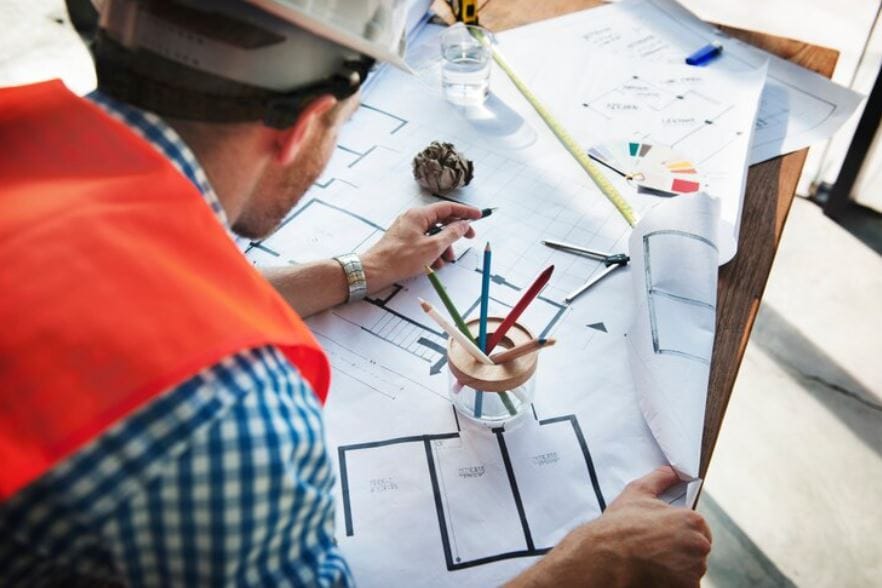
Top 10 HVAC Design Mistakes That Increase Operating Costs

Top 10 HVAC Design Mistakes That Increase Operating Costs

Top 10 HVAC Design Mistakes That Increase Operating Costs
A poorly designed HVAC system can significantly increase energy bills, maintenance expenses, and operational downtime. Whether it is a commercial building, manufacturing plant, or office complex, proper HVAC System Design in Pune plays a critical role in ensuring long-term efficiency and cost savings.
Many businesses focus only on installation costs and overlook design-related issues that can affect performance for years. Here are the top 10 HVAC design mistakes that increase operating costs and how to avoid them.
Why HVAC Design Matters
An HVAC system is a long-term investment. The design stage determines how efficiently the system will operate throughout its lifecycle.
A well-designed system provides:
- Lower energy consumption
- Better indoor comfort
- Improved air quality
- Reduced maintenance costs
- Longer equipment lifespan
1. Incorrect Load Calculations
One of the most common mistakes is failing to perform accurate heating and cooling load calculations.
This can lead to:
- Oversized equipment
- Undersized equipment
- Higher electricity consumption
- Poor temperature control
Professional load analysis ensures proper system sizing.
2. Oversized HVAC Equipment
Many building owners assume bigger equipment provides better performance.
In reality, oversized systems:
- Cycle on and off frequently
- Waste energy
- Increase wear and tear
- Reduce humidity control efficiency
Proper equipment selection is essential for optimal performance.
3. Poor Ductwork Design
Even the best HVAC equipment cannot perform efficiently with poorly designed ductwork.
Common duct issues include:
- Air leakage
- Uneven airflow
- Excessive pressure loss
- Increased fan energy consumption
Proper duct design improves airflow distribution and energy efficiency.
4. Ignoring Ventilation Requirements
Insufficient ventilation can impact indoor air quality and occupant comfort.
Excessive ventilation can also increase cooling and heating loads unnecessarily.
Balanced ventilation design helps maintain healthy indoor environments while controlling energy costs.
5. Improper Equipment Placement
Poor placement of HVAC equipment can reduce system efficiency and increase maintenance difficulties.
Factors to consider include:
- Accessibility
- Air circulation
- Heat exposure
- Noise control
Strategic equipment placement supports better performance and easier servicing.
6. Lack of Zoning Controls
Different areas of a building often have different cooling requirements.
Without zoning controls:
- Energy is wasted
- Occupant comfort decreases
- Operating costs increase
Modern HVAC systems use zoning to deliver cooling only where needed.
7. Ignoring Future Expansion Plans
Many HVAC systems are designed only for current requirements.
When facilities expand, existing systems may struggle to meet additional demand.
Future-ready HVAC planning prevents costly upgrades later.
8. Poor Insulation Integration
Even a highly efficient HVAC system can perform poorly if the building lacks proper insulation.
Poor insulation leads to:
- Increased heat gain
- Higher cooling loads
- Greater energy consumption
Building envelope performance should always be considered during HVAC design.
9. Limited Automation and Controls
Manual HVAC operation often results in energy waste.
Modern systems benefit from:
- Smart thermostats
- Building Management Systems (BMS)
- Automated scheduling
- Energy monitoring tools
Automation helps optimize performance and reduce operating costs.
10. Neglecting Maintenance Accessibility
Maintenance is often overlooked during the design phase.
Difficult-to-access equipment increases:
- Service time
- Maintenance costs
- Downtime risks
Designing for maintenance accessibility improves long-term system reliability.
How Professional HVAC Design Reduces Costs
Experienced HVAC engineers evaluate every aspect of a building before selecting equipment and designing the system.
Professional HVAC design provides:
- Accurate load calculations
- Optimized airflow
- Energy-efficient equipment selection
- Proper ventilation planning
- Lifecycle cost savings
This results in lower operating expenses and improved system performance.
Why Choose EMEA for HVAC System Design in Pune?
EMEA delivers comprehensive HVAC engineering and consulting solutions for commercial and industrial projects.
Our services include:
- HVAC load calculations
- HVAC system design and engineering
- Ventilation design
- Energy efficiency analysis
- Project management support
- HVAC optimization solutions
Our experienced team focuses on creating reliable, efficient, and cost-effective HVAC systems tailored to client requirements.
Conclusion
Avoiding common design mistakes is essential for maximizing HVAC performance and reducing long-term expenses. Professional HVAC System Design in Pune ensures accurate system sizing, efficient airflow, proper ventilation, and optimized energy consumption. Partnering with experienced HVAC consultants can help businesses lower operating costs while improving comfort and reliability. https://emea.co.in/
Frequently Asked Questions
1. Why is HVAC System Design in Pune important for reducing operating costs?
HVAC System Design in Pune helps ensure proper equipment sizing, efficient airflow, and optimized energy usage, which reduces long-term operating expenses.
2. What is the most common HVAC design mistake?
Incorrect load calculations are among the most common mistakes and often result in oversized or undersized equipment.
3. How does poor ductwork affect HVAC efficiency?
Poor ductwork can cause air leakage, uneven cooling, higher fan energy consumption, and reduced system performance.
4. Can HVAC automation lower energy costs?
Yes. Smart controls and building management systems help optimize HVAC operation and reduce unnecessary energy usage.
5. How often should an HVAC design be reviewed?
HVAC designs should be reviewed during building renovations, expansions, or significant operational changes.
6. Why choose EMEA for HVAC System Design in Pune?
EMEA offers expert HVAC engineering, detailed system analysis, energy-efficient designs, and end-to-end project support for commercial and industrial facilities Call 75070 16995.
