
MEP Design in Pune: Best Practices for Green Buildings Sustainable MEP Design Green Building MEP Services Energy Efficient Building Design MEP Engineering Consultants HVAC Design for Green Buildings
Sustainability has become a major priority in modern construction. Building owners, developers, and facility managers are increasingly focused on reducing energy consumption, lowering operating costs, and minimizing environmental impact. Effective MEP Design in Pune plays a crucial role in achieving these goals.
MEP Design in Pune: Best Practices for Green Buildings Sustainable MEP Design
Green Building MEP Services
Energy Efficient Building Design
MEP Engineering Consultants
HVAC Design for Green Buildings
MEP Design in Pune: Best Practices for Green Buildings
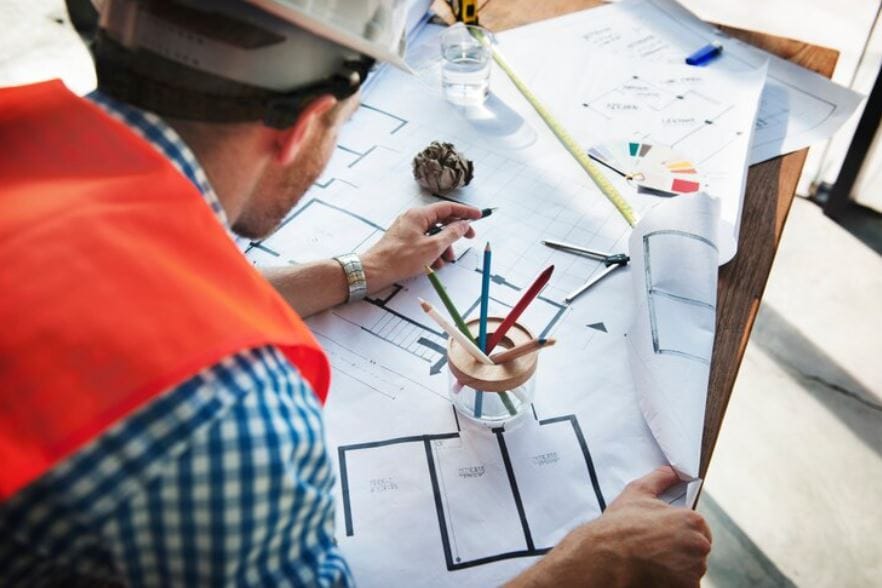
MEP Design in Pune: Best Practices for Green Buildings
MEP Design in Pune: Best Practices for Green Buildings
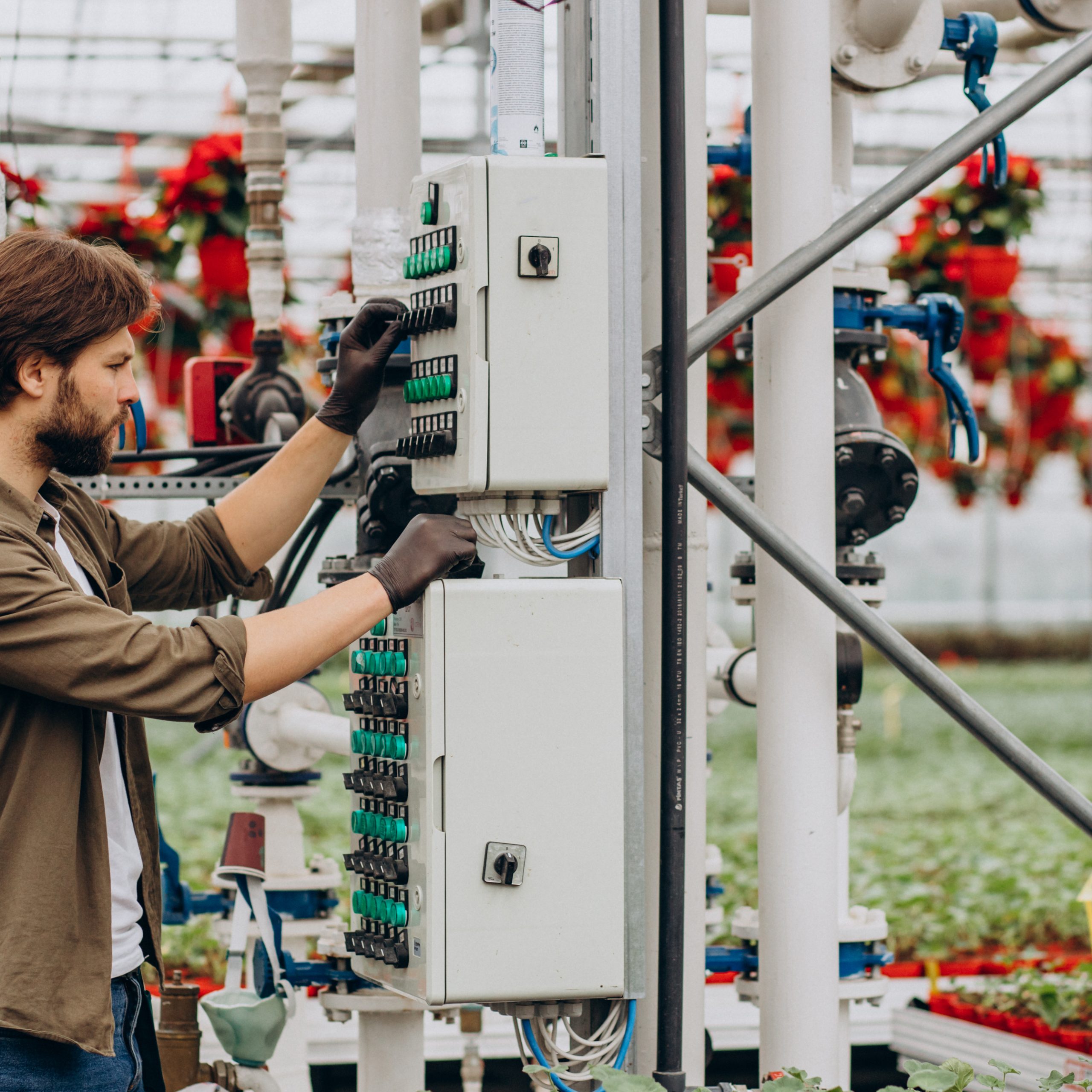
MEP Design in Pune: Best Practices for Green Buildings
Sustainability has become a major priority in modern construction. Building owners, developers, and facility managers are increasingly focused on reducing energy consumption, lowering operating costs, and minimizing environmental impact. Effective MEP Design in Pune plays a crucial role in achieving these goals.
Mechanical, Electrical, and Plumbing (MEP) systems account for a significant portion of a building’s energy and resource usage. By adopting sustainable MEP design practices, buildings can improve performance, enhance occupant comfort, and support long-term environmental objectives.
What Is Sustainable MEP Design?
Sustainable MEP design focuses on creating efficient building systems that reduce energy consumption, conserve water, and improve overall operational performance.
The primary objectives include:
- Lower energy usage
- Reduced carbon emissions
- Water conservation
- Improved indoor environmental quality
- Long-term cost savings
A well-planned MEP strategy helps buildings achieve sustainability targets without compromising functionality.
Why Sustainable MEP Design Matters
Modern buildings consume significant amounts of electricity, water, and other resources.
Sustainable MEP systems help:
- Reduce utility expenses
- Improve building efficiency
- Enhance occupant well-being
- Support green building certifications
- Increase asset value
These benefits make sustainability an important consideration during the design phase.
Best MEP Design Practices for Sustainable Buildings
High-Efficiency HVAC Systems
HVAC systems often account for the largest share of building energy consumption.
Best practices include:
- Energy-efficient chillers and VRF systems
- Demand-controlled ventilation
- Smart HVAC controls
- Heat recovery systems
- Optimized load calculations
These solutions improve comfort while reducing operational costs.
Smart Electrical Design
Efficient electrical infrastructure contributes significantly to sustainability.
Key strategies include:
- LED lighting systems
- Occupancy-based lighting controls
- Daylight harvesting systems
- Energy-efficient transformers
- Power quality management
Proper electrical design reduces energy waste and improves reliability.
Water-Efficient Plumbing Systems
Water conservation is a critical aspect of sustainable building design.
Recommended solutions include:
- Low-flow fixtures
- Rainwater harvesting systems
- Water recycling systems
- Efficient drainage design
- Smart water monitoring
These measures help reduce water consumption and operating costs.
Building Automation Systems (BMS)
Building Management Systems help optimize building performance through centralized monitoring and control.
Benefits include:
- Energy monitoring
- HVAC optimization
- Lighting automation
- Predictive maintenance
- Improved operational efficiency
BMS technology supports long-term sustainability objectives.
Role of Renewable Energy Integration
Modern sustainable buildings increasingly incorporate renewable energy solutions.
Examples include:
Solar Power Systems
Solar energy helps reduce dependence on conventional electricity sources.
Energy Storage Systems
Battery storage solutions improve energy resilience and efficiency.
Smart Grid Integration
Advanced energy management systems help optimize power consumption and renewable energy usage.
Importance of Integrated MEP Coordination
Sustainable design requires close coordination between mechanical, electrical, plumbing, architectural, and structural teams.
Integrated planning helps:
- Avoid design conflicts
- Improve system efficiency
- Reduce construction costs
- Enhance building performance
Early coordination is essential for achieving sustainability goals.
Technologies Driving Sustainable MEP Design
IoT-Based Monitoring
Connected sensors provide real-time performance data and energy insights.
Artificial Intelligence (AI)
AI-driven systems optimize energy usage and improve building operations.
Digital Twin Technology
Virtual building models support performance analysis and predictive maintenance.
Advanced Energy Analytics
Data-driven decision-making helps identify opportunities for efficiency improvements.
Benefits of Sustainable MEP Design
Lower Operating Costs
Efficient systems reduce utility expenses throughout the building lifecycle.
Improved Occupant Comfort
Better indoor air quality and environmental control enhance occupant satisfaction.
Reduced Environmental Impact
Lower energy and water consumption contribute to sustainability goals.
Future-Ready Infrastructure
Sustainable systems support evolving regulations and technology advancements.
Why Choose EMEA for MEP Design in Pune?
EMEA provides comprehensive MEP engineering solutions for commercial, industrial, healthcare, and infrastructure projects.
Our expertise includes:
- Sustainable HVAC design
- Electrical engineering solutions
- Plumbing system design
- Fire protection engineering
- Building automation systems
- Energy efficiency consulting
- Integrated MEP coordination
Our experienced team develops customized MEP solutions that improve building performance, sustainability, and operational efficiency.
Conclusion
Effective MEP Design in Pune is essential for creating sustainable, energy-efficient, and future-ready buildings. By implementing best practices such as high-efficiency HVAC systems, smart electrical infrastructure, water conservation strategies, and building automation, organizations can reduce costs while improving environmental performance. Partnering with experienced MEP consultants ensures your project achieves long-term sustainability and operational success. https://emea.co.in/
Frequently Asked Questions
1. What is MEP Design in Pune?
MEP Design in Pune involves planning and engineering mechanical, electrical, plumbing, and fire protection systems for efficient building operations.
2. Why is sustainable MEP design important?
Sustainable MEP design helps reduce energy consumption, conserve water, lower operating costs, and improve building performance.
3. How do HVAC systems contribute to sustainable buildings?
Energy-efficient HVAC systems reduce power consumption while maintaining occupant comfort and indoor air quality.
4. What role does a Building Management System play in sustainability?
A BMS optimizes energy usage, automates building operations, and improves overall facility efficiency.
5. Can sustainable MEP design reduce operating costs?
Yes. Efficient HVAC, electrical, plumbing, and automation systems significantly reduce utility and maintenance expenses.
6. Why choose EMEA for MEP Design in Pune?
EMEA offers expert MEP engineering, sustainable building solutions, energy-efficient designs, and integrated project support for commercial and industrial developments Call 75070 16995
