Role of MEP in LEED Certified Buildings
Role of MEP in LEED Certified Buildings

Role of MEP in LEED Certified Buildings

Role of MEP in LEED Certified Buildings
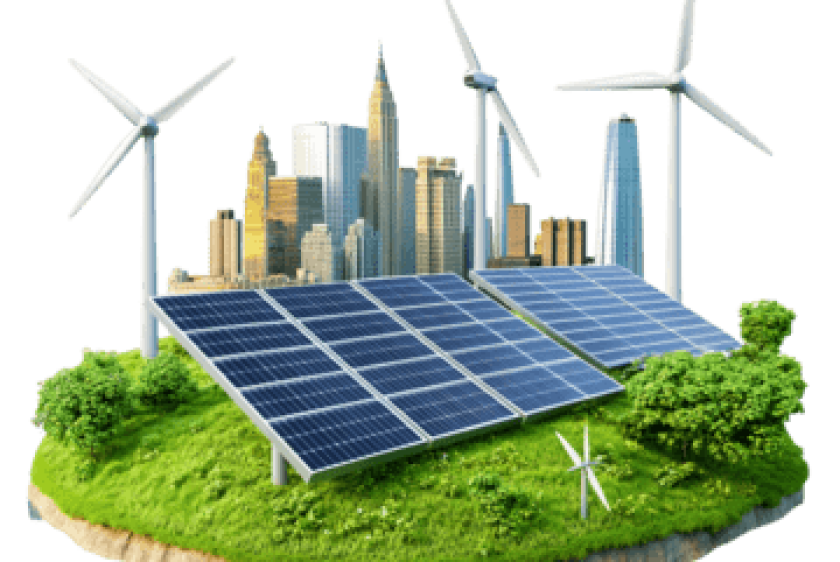
Sustainable construction is shaping the future of modern infrastructure. LEED (Leadership in Energy and Environmental Design) certification has become a global benchmark for green buildings. A major part of achieving this certification depends on efficient MEP Design in Pune, which ensures energy savings, water efficiency, and improved indoor environments.
In this blog, we explain how MEP systems contribute to LEED-certified buildings and why they are essential.
What is LEED Certification?
Definition
LEED is a globally recognized green building certification system.
Key Focus Areas
- Energy efficiency
- Water conservation
- Indoor environmental quality
- Sustainable materials
Professional MEP Design in Pune plays a crucial role in achieving these standards.
Why MEP Design is Important for LEED Buildings
1. Energy Optimization
Efficient systems reduce overall energy consumption.
2. Water Efficiency
Smart plumbing systems minimize water usage.
3. Indoor Air Quality
Advanced HVAC systems improve occupant health.
4. Sustainability Goals
Supports eco-friendly construction practices.
Key MEP Contributions to LEED Certification
1. Energy-Efficient HVAC Systems
Features
- High-efficiency chillers
- Variable air volume systems
- Heat recovery systems
Impact
Reduces energy consumption and improves performance.
2. Smart Electrical Systems
Features
- LED lighting
- Automated lighting controls
- Energy monitoring systems
Impact
Optimizes power usage and reduces waste.
3. Water Management Systems
Features
- Low-flow fixtures
- Rainwater harvesting
- Greywater recycling
Impact
Significant water conservation.
4. Renewable Energy Integration
Examples
- Solar power systems
- Hybrid energy solutions
Impact
Reduces reliance on conventional energy sources.
5. Building Automation Systems (BMS)
Role
- Centralized control of building systems
- Real-time monitoring
Impact
Improves efficiency and reduces operational costs.
LEED Points Achieved Through MEP Design
MEP systems help earn points in:
- Energy & Atmosphere
- Water Efficiency
- Indoor Environmental Quality
- Innovation in Design
Efficient MEP Design in Pune directly impacts certification levels.
Challenges in LEED-Oriented MEP Design
1. Higher Initial Cost
Solution
Long-term savings justify investment.
2. Complex System Integration
Solution
Use advanced tools like BIM.
3. Skilled Expertise Requirement
Solution
Work with experienced MEP consultants.
Modern Technologies in LEED MEP Design
1. IoT Integration
Real-time monitoring and control.
2. Smart Sensors
Optimize energy and water usage.
3. AI-Based Systems
Predict and reduce consumption.
4. BIM Technology
Improves design coordination and accuracy.
Benefits of LEED-Based MEP Design
Lower Energy Costs
Reduced electricity consumption.
Environmental Sustainability
Lower carbon footprint.
Improved Indoor Comfort
Better air quality and temperature control.
Higher Property Value
Green buildings attract premium buyers.
Real-Life Example
A LEED-certified commercial building using efficient HVAC and lighting systems can reduce energy usage by up to 30–40%.
How Experts Deliver LEED-Compliant MEP Design
Sustainable Planning
Design systems aligned with LEED standards.
Advanced Tools
Use BIM and energy modeling.
Integrated Approach
Coordinate all MEP systems efficiently.
Continuous Monitoring
Ensure long-term performance.
Conclusion
Achieving LEED certification requires smart design and efficient systems. With expert MEP Design in Pune, buildings can meet sustainability goals while reducing costs and improving performance.
Investing in professional MEP solutions ensures greener, smarter, and future-ready buildings. https://emea.co.in/
FAQs (Optimized for Featured Snippets)
1. What is the role of MEP in LEED buildings?
MEP systems help achieve energy efficiency, water conservation, and indoor air quality standards.
2. How does HVAC contribute to LEED certification?
It reduces energy consumption and improves air quality.
3. Can MEP design help reduce building costs?
Yes, efficient systems lower operational and maintenance costs.
4. What technologies are used in LEED MEP design?
IoT, smart sensors, BIM, and energy management systems.
5. Is LEED certification beneficial?
Yes, it improves sustainability, reduces costs, and increases property value.
6. Why choose MEP Design in Pune experts?
Experts provide efficient, compliant, and sustainable solutions Call us- 75070 16995.
ElectroMech Engineers Associates (EMEA) is an engineering consultancy firm that provides comprehensive in house consultancy services to clients in the design of the Mechanical, Electrical, and Plumbing (MEP) systems.
Why ElectroMech Engineers Associates (EMEA)
- Designing of complete Heating, Ventilation and Air conditioning system
- Specifications like chiller, cooling tower and air compressor
- Utility piping for compressed air, LPG, HSD and cooling water
Mechanical
- Power: -Distribution of power at Low, Medium, High and Extra high voltage up to 132kV
- Illumination: – Software based indoor and outdoor based illumination
- Specifications of key elements like transformers, HT panels, LT panels, busducts
Electrical
- Fire hydrant and fire sprinkler system as per NBC & FM standards
- Active gas extinguish system
Fire Fighting
- Fire alarm system and smoke management system with up-to date technology
- Access control systems
- Telecommunication & passive data system
Extra Low Voltage System